Why Singaporeans Love the Mazda 3: Our TopReviews Verdict
Why do Singaporeans love the Mazda 3? Our review: about S$1,000 a month in depreciation, 8.2 L/100km in our test, a roomy boot, and tips if you plan to sell.
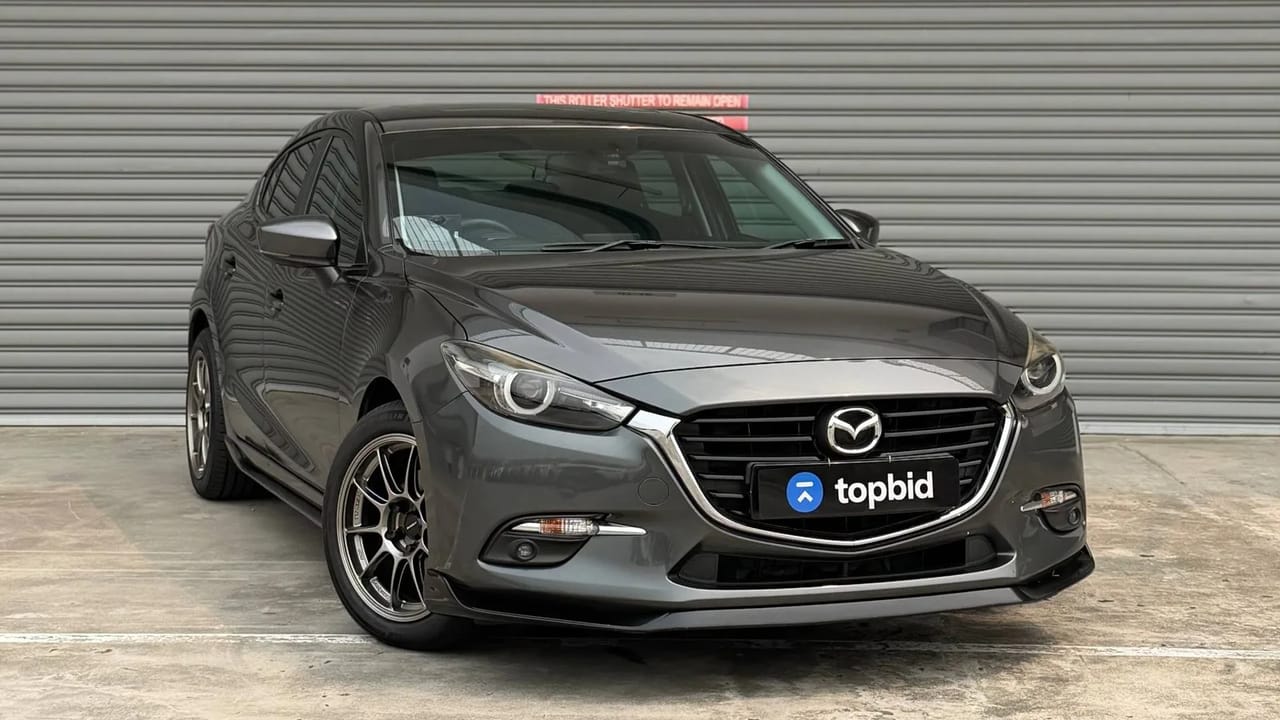
The Mazda 3 is a familiar sight on Singapore roads. We spent half a day with one for our TopReviews series to find out why. This is what we found, and what it means if you own one and are thinking of selling.
Information as of 11 November 2026. Depreciation is from our review; specs are the maker's published figures.
The short answer
What we checked | Our finding |
|---|---|
Depreciation | About S$11,000 to S$12,000 a year |
Drive | Sharp steering, composed ride, calm on the expressway |
Front seats | Comfortable, with a driver-focused cockpit |
Rear seats | Pretty spacious for rear passengers |
Boot | Fits two big pieces of luggage |
Our fuel test | 8.2 L/100km (about 12 km/L) over half a day of mixed driving |
Nice extra | Sunroof, fitted on most units |
What it costs to own
For most Singapore buyers the biggest cost of a car isn't fuel or servicing. It's depreciation: what the car loses in value each year until its COE runs out. On the used Mazda 3s we checked for this review, that came to about S$11,000 to S$12,000 a year. Spread over twelve months, that's roughly S$1,000 a month.
That makes the Mazda 3 easy to plan around for a first car. It sits in COE Category A, which covers cars up to 1,600cc and 130bhp, because the Singapore car uses a 1.5-litre engine making 120hp. In the 4 November 2026 round, Cat A closed at a record S$139,001, above Cat B at S$132,334. When new Cat A COEs cost that much, a used Cat A car with years of COE left becomes better value to the next buyer, which helps owners who are selling.
If you want to see what your own car loses each year, our car depreciation calculator does the sum from your price, COE expiry and PARF rebate.
How it drives
Behind the wheel, the steering is sharp and the ride is composed. On the expressway it is calm.
In city traffic it is easy to place. It is by no means a sports car, and the 120hp engine won't push you back in your seat. But it is highly responsive, which makes everyday driving a pleasure.
Cabin, rear seats and boot
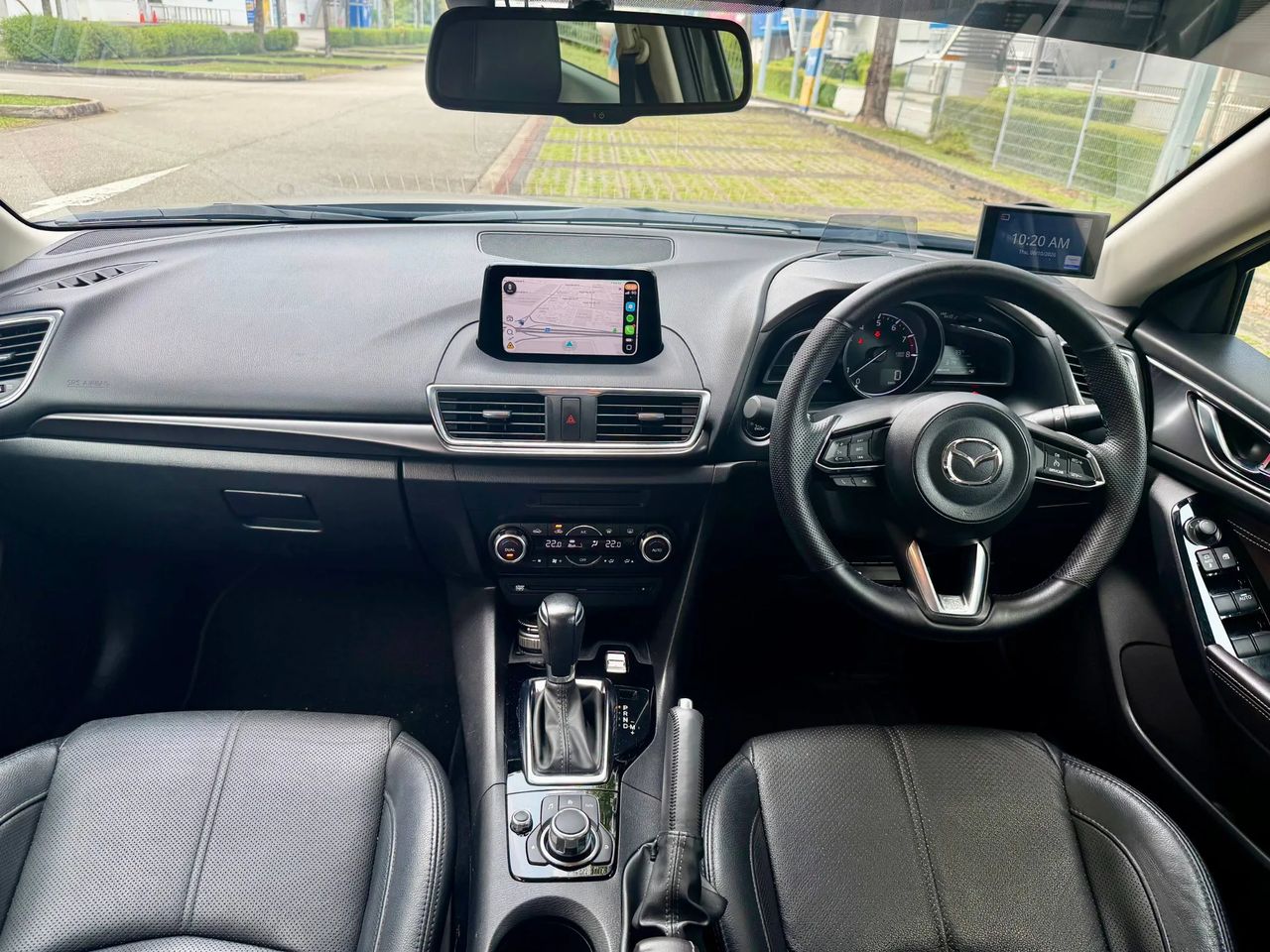
Front seats. The front seats are comfortable, and the interior is built around the driver.
Rear seats. The back seats are pretty spacious for rear passengers. If you regularly carry a growing family, though, you may want something bigger.
Boot. The boot easily fit two big pieces of luggage in our test. That's enough for a grocery run or a trip to the airport. On paper, the sedan's boot is the bigger of the two body styles, at 444 litres against the hatchback's 295 litres, according to CarBuyer's spec figures.
Our fuel test
Mazda's claimed figure for the 1.5-litre car is 5.5 L/100km. As with most cars, the claim is measured on a fixed laboratory cycle, and real Singapore driving with traffic lights, air-con on full and short trips usually comes out higher. Our number is one drive, not a lab test, but it's a fair guide to what you'll see day to day.
Fuel figure | L/100km | About km per litre |
|---|---|---|
Our test (half a day, mixed driving) | 8.2 | 12 |
Maker's claim (1.5-litre) | 5.5 | 18 |
The nice extra: a sunroof
Our car came with a sunroof, and most units here have one. It lets some daylight and wind in. If you're buying used, check each listing, as not every car has it.
If you own one and plan to sell
The same things that make the Mazda 3 popular also help when it's time to sell. A popular model in good condition, with full service records and average mileage for its age, tends to sell faster and closer to the top of the range.
Know your floor. Your car's paper value, the PARF and COE rebates you would get if you deregistered it today, is the floor under any offer. Most cars with plenty of COE left sell well above it. Our guide to how much your car is worth walks through the numbers.
Keep your records together. Workshop invoices and service stamps matter to buyers. The agency's guide on why service records shape dealer quotes explains why.
Mind the COE timing. A Mazda 3 with plenty of COE left is valued mainly as a car to keep driving. One near the end of its COE is valued closer to its rebates. If your COE is running down, our guide to whether to renew your COE or scrap your car sets out the options.
Our verdict
Buy it
if you're looking for a reliable car at around S$1,000 a month in depreciation.
Skip it
if you want something fast, or you need more space for a growing family.
This is our view from one drive in one car, not financial advice. Every used car is different, so check the history and condition of the one in front of you.
FAQ
Is the Mazda 3 a Cat A or Cat B car?
The Mazda 3 sold in Singapore uses a 1.5-litre engine with 120hp, so it falls in COE Category A, which covers cars up to 1,600cc and 130bhp.
How much does a used Mazda 3 depreciate a year?
On the used cars we checked for our review, depreciation ran about S$11,000 to S$12,000 a year, or roughly S$1,000 a month. Your car's figure depends on its price, COE left and PARF rebate.
What fuel consumption does the Mazda 3 get in Singapore?
Over half a day of mixed driving we got 8.2 L/100km, about 12 km per litre. Mazda claims 5.5 L/100km on the official test cycle.
Is the Mazda 3 a good first car?
For most first-time owners, yes. It is easy to drive and place in traffic, and comfortable. It isn't fast, and the rear seats and boot are fine rather than big.
Does every Mazda 3 have a sunroof?
Most units in Singapore do, including our test car, but not all. Check the listing or the car itself before you buy.
Thinking about selling?
Topbid launches in January 2027. Our verified partners bid on your car, and you see every bid as it comes in. Join the waitlist and your first sale is free.